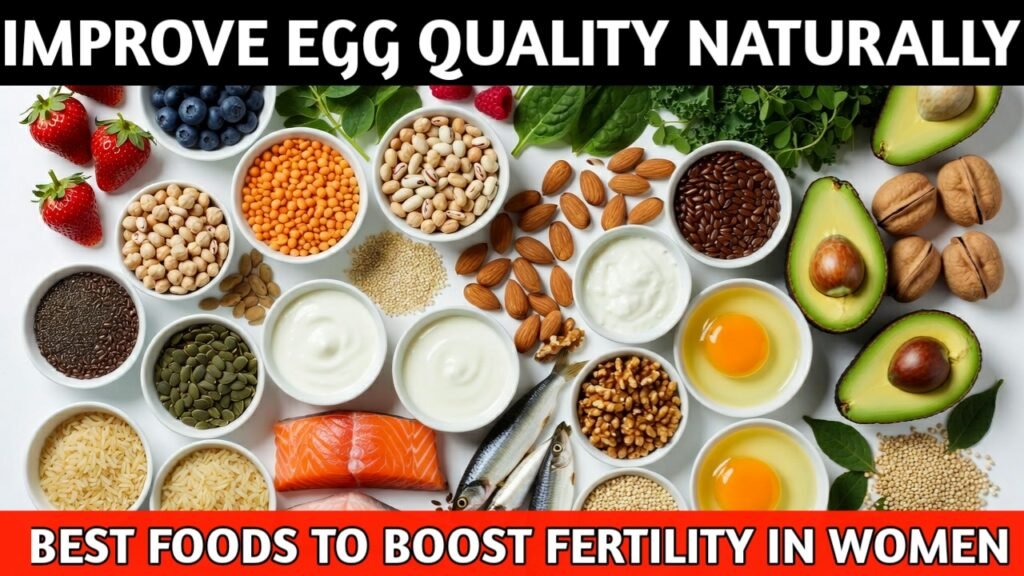
Best Foods to Boost Fertility in Women
Struggling to conceive? Your plate might hold the answer. What you eat directly impacts your reproductive health, hormone balance, and your ability to get pregnant. The right fertility foods can regulate your cycles, improve egg quality, and prepare your body for a healthy pregnancy.
In this guide, we’ll break down exactly which foods boost fertility in women and how to include them in your daily routine.
Why Your Diet Matters for Fertility
Your body needs specific nutrients to support reproduction. Vitamins like folate, iron, zinc, vitamin D, omega-3s, and antioxidants play crucial roles in your fertility journey. When you eat the right foods, here’s what happens:
Hormone Regulation
Maintaining a healthy weight through balanced eating keeps your hormones in check. Being underweight or overweight throws your cycle off balance and disrupts ovulation.
Better Egg Quality
Nutrients like folate, omega-3 fatty acids, and antioxidants protect your eggs from damage and support healthy development.
Regular Ovulation
Stable blood sugar, adequate protein, and optimal iron levels promote consistent ovulation cycles.
PCOS Management
If you have PCOS, the right diet helps control insulin resistance and brings more regularity to your periods.
Top Foods That Boost Egg Quality
Antioxidant Powerhouses: Berries and Citrus Fruits
Load up on strawberries, blueberries, and raspberries. These berries are packed with antioxidants that shield your eggs from free radical damage.
Oranges, lemons, and grapefruits give you vitamin C and folate, both essential for healthy ovulation. Don’t skip pomegranates either. They improve blood flow to your uterus and support cell growth.
Folate and Iron Champions: Leafy Greens and Legumes
Spinach, kale, and fenugreek leaves deliver folate in abundance. This nutrient is critical for egg development and preventing birth defects later.
Beans, lentils, and chickpeas pack a double punch with folate and plant-based iron. Iron deficiency can cause ovulatory infertility, so these foods are non-negotiable for your fertility diet.
Protein and Healthy Fats for Hormone Balance
Forget refined carbs and sugary treats. Your fertility thrives on quality protein and healthy fats that regulate hormones and enhance egg quality.
Nuts, Seeds, and Avocados
Make almonds, walnuts, flaxseeds, and pumpkin seeds your daily snack. Nuts provide omega-3s and vitamin E for better egg quality. Seeds contain zinc and selenium that protect eggs from oxidative damage.
Avocados are fertility gold. They’re loaded with monounsaturated fats and folate that boost reproductive function across the board.
Fish, Eggs, and Dairy
Fatty fish like salmon, sardines, and mackerel deliver omega-3 fatty acids that improve blood flow to your reproductive organs. If you eat fish, make it a weekly priority.
Eggs, especially the yolk, contain choline and vitamin D for optimal egg development. Don’t fear the yolk—that’s where the fertility benefits live.
Moderate amounts of yogurt or paneer provide calcium and protein needed for hormonal balance. Choose full-fat versions over low-fat when possible.
Whole Grains for Blood Sugar Control
White rice and white bread cause insulin spikes that mess with ovulation. Switch to brown rice, quinoa, millets, and oats instead.
These complex carbohydrates release energy slowly, keeping your blood sugar stable. Stable blood sugar means better hormone balance and more regular ovulation cycles.
How Best Foods to Boost Fertility in Women These Foods Actually Work
Here’s the science behind why these fertility foods make a difference:
Antioxidants protect your eggs from cellular damage and extend their viability.
Folate supports healthy cell division and proper egg formation.
Iron prevents anemia and ensures adequate oxygen supply to your ovaries. Low iron means poor blood flow and reduced fertility.
Omega-3 fatty acids enhance blood circulation to your uterus and help regulate reproductive hormones.
Protein supports follicle development, which is essential for releasing healthy eggs during ovulation.
When you combine these nutrients, you create the optimal environment for conception.
Best Foods to Boost Fertility in Women Easy Ways to Add Fertility Foods Daily
You don’t need a complicated meal plan. Start with these simple swaps:
- Blend berries and spinach into morning smoothies
- Sprinkle flaxseeds or chia seeds on yogurt, salads, or dal
- Keep roasted almonds, walnuts, or pumpkin seeds handy for snacking
- Include fish or paneer with lunch or dinner
- Replace white rice with brown rice or millets
- Dress salads with avocado or olive oil instead of heavy dressings
These small changes add up to significant improvements in your reproductive health over time.
Lifestyle Habits That Boost Your Fertility Diet
Food alone won’t do all the work. Pair your fertility diet with these lifestyle practices:
Maintain a healthy weight. Both underweight and overweight conditions disrupt ovulation.
Get 7-8 hours of quality sleep each night. Sleep regulates your hormones.
Exercise moderately with yoga or walking. Avoid excessive high-intensity workouts.
Manage stress through meditation or relaxation techniques. Chronic stress impacts fertility.
Cut out smoking completely and limit alcohol and caffeine intake.
Remember, if you’re trying to conceive as a couple, your partner’s diet matters too. Male fertility also responds to nutrient-rich foods.
Best Foods to Boost Fertility in Women Frequently Asked Questions
How long does it take for diet to improve fertility?
You may see improvements in 3-6 months as your body builds up nutrient stores and your egg quality responds to better nutrition.
Can I eat these foods if I have PCOS?
Absolutely. These foods help manage insulin resistance and hormone imbalances common in PCOS. Focus especially on low-glycemic whole grains and protein.
Should I take supplements along with these foods?
Talk to your doctor about prenatal vitamins with folate. While whole foods are best, supplements can fill nutritional gaps.
Are there foods I should avoid?
Limit processed foods, trans fats, excessive caffeine, alcohol, and high-mercury fish like swordfish and king mackerel.
Do these foods guarantee pregnancy?
No food guarantees conception, but eating a fertility-focused diet optimizes your body’s natural ability to conceive and supports a healthy pregnancy if conception occurs.
Bottom Line: Your fertility journey starts with what’s on your plate. Include antioxidant-rich fruits, folate-packed greens, quality proteins, healthy fats, and whole grains. Pair this nutrition plan with healthy lifestyle habits, and you’ll give your body the best possible foundation for conception.