
IUI Treatment: Process, Success, Timing, Medications
For many individuals and couples trying to conceive, Intrauterine Insemination (IUI) is one of the most common and accessible fertility treatments available today. It is less invasive and more affordable than IVF, yet it can dramatically improve the odds of pregnancy in the right circumstances. Understanding how IUI works, what to expect, and how it compares to other options like IVF can help you feel empowered and informed as you navigate your fertility journey.
This comprehensive guide covers everything you need to know—from step-by-step details to medications like Letrozole, trigger shots, sperm washing, timing, and success rates.
What Is IUI Treatment?
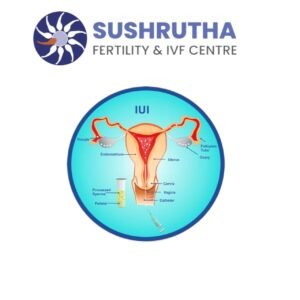
IUI (Intrauterine Insemination) is a fertility procedure in which washed and concentrated sperm is placed directly into the uterus around the time of ovulation. This shortens the distance sperm must travel and increases the number of healthy sperm that reach the fallopian tubes—boosting the chances of fertilization.
IUI is often recommended as an early fertility treatment because it is:
-
- Low-cost
-
- Minimally invasive
-
- Quick and relatively painless
-
- Useful for a variety of infertility diagnoses
How IUI Treatment Works
The goal of IUI is to create the ideal conditions for sperm and egg to meet. The treatment aligns three key elements:
-
- A well-timed ovulation
-
- A mature egg
-
- A high-quality sperm sample
With careful monitoring, medication support if needed, and precise timing, the IUI process can significantly improve pregnancy chances compared to natural conception.
IUI treatment Step-by-Step: A Clear Breakdown
While the specifics vary by clinic, most IUI cycles follow these steps:
1. Cycle Day 1 – Period Begins
Your menstrual cycle starts. You notify your clinic to schedule monitoring.
2. Baseline Ultrasound (CD 2–4)
An ultrasound checks for ovarian cysts and measures baseline follicle activity.
3. Ovulation Medications (Optional but Common)
To boost the chances of releasing a healthy egg, doctors may prescribe:
-
- Letrozole – Common for PCOS and unexplained infertility
-
- Clomipene – Stimulates follicle growth
-
- Gonadotropins – Injectable hormones for stronger response
4. Monitoring Follicle Growth
Ultrasounds track follicle development. A mature follicle for IUI is typically 18–20 mm.
5. The Trigger Shot
To precisely time ovulation, patients may take an hCG trigger shot (e.g., Ovidrel).
It causes ovulation about 24–36 hours later—ideal for scheduling IUI.
6. Sperm Washing
The partner or donor provides a sample, which is “washed” in a lab to isolate the healthiest sperm. (More on this below.)
7. IUI Treatment Procedure
Using a thin catheter, the washed sperm sample is placed directly into the uterus.
The procedure is:
-
- Quick (1–2 minutes)
-
- Typically painless or mildly uncomfortable
-
- Requires minimal time
8. The TWW (Two-Week Wait)
Pregnancy testing happens around 14 days after the IUI.
IUI Treatment with Letrozole
Letrozole is one of the most commonly used medications in IUI cycles because:
-
- It helps stimulate ovulation
-
- It improves follicle quality
-
- It lowers estrogen just enough to trigger the brain to boost FSH
-
- It has a lower risk of multiple pregnancy than Clomid
Letrozole is particularly effective for:
-
- PCOS
-
- Irregular cycles
-
- Unexplained infertility
What Is Sperm Washing in IUI Treatment?
Sperm washing is an essential part of IUI. The goal is to separate the healthiest, most motile sperm from the rest of the sample.
During washing, the lab removes:
-
- Dead sperm
-
- Poorly moving sperm
-
- Seminal fluid (which can cause cramping in the uterus)
-
- Debris or bacteria
The result is a small, concentrated amount of high-quality sperm placed into the uterus.
The best outcomes typically come from a Total Motile Sperm Count (TMSC) of >10 million after washing, although pregnancy can occur with lower numbers.
IUI treatment Timing: Why It’s Everything
Success heavily depends on accurate timing. IUI must occur very close to ovulation, ideally within:
-
- 24–36 hours after the trigger shot, OR
-
- Immediately after detecting a natural LH surge
This ensures the sperm are waiting in the fallopian tubes when the egg is released, giving the best chance for fertilization.
IUI Treatment Success Rates
Success rates vary based on age, diagnosis, and whether medication is used.
Typical per-cycle success rates:
-
- Under 35: 10–20%
-
- 35–40: 10–15%
-
- Over 40: 5% or lower
-
- With Letrozole or Clomid: Higher success than natural IUI
The highest success rates come from:
-
- Good ovarian response
-
- Healthy sperm count and motility
-
- Well-timed insemination
-
- No blocked tubes
-
- Underlying causes like PCOS or unexplained infertility
Many clinics recommend 3–6 cycles before considering IVF.
IUI vs IVF: What’s the Difference?
| Feature | IUI | IVF |
|---|---|---|
| Invasiveness | Low | High |
| Cost | Much lower | Higher |
| Success Rate | 10–20% | 40–60% |
| Best For | Mild issues | Complex infertility |
| Medications | Mild–moderate | Stronger stimulation |
| Process | Sperm inserted in uterus | Eggs retrieved, fertilized, embryos transferred |
| Control Over Embryos | None | Full (testing, grading, freezing) |
IUI is often the first recommended step for mild infertility, while IVF is ideal for:
-
- Blocked tubes
-
- Severe male factor infertility
-
- Low ovarian reserve
-
- Failed IUI cycles
-
- Women over 38
-
- Genetic concerns requiring embryo testing
Fertility Treatment Options Beyond IUI treatment
Patients may progress through options including:
-
- Timed intercourse cycles
-
- Medicated cycles
-
- IUI
-
- IVF
-
- ICSI (Intracytoplasmic Sperm Injection)
-
- Donor sperm or egg treatments
-
- Embryo freezing
IUI often fits in the middle—more effective than timed intercourse but less complex than IVF.
Summary
IUI is a hopeful, accessible, and effective fertility treatment for many people. Whether you’re using Letrozole to stimulate ovulation, receiving a carefully timed trigger shot, or relying on washed, high-quality sperm, the IUI process is designed to give the egg and sperm the best possible chance to meet.
Though IUI doesn’t guarantee pregnancy, each cycle brings valuable information, renewed hope, and sometimes—exactly the result you’ve been waitin
IVF Treatment
December 1, 2025 | by sushruthahospitals
IVF Treatment Explained: A Step-Step Guide Explore the intricate steps of IVF treatment in our detailed guide. Learn how in…
Read More →